
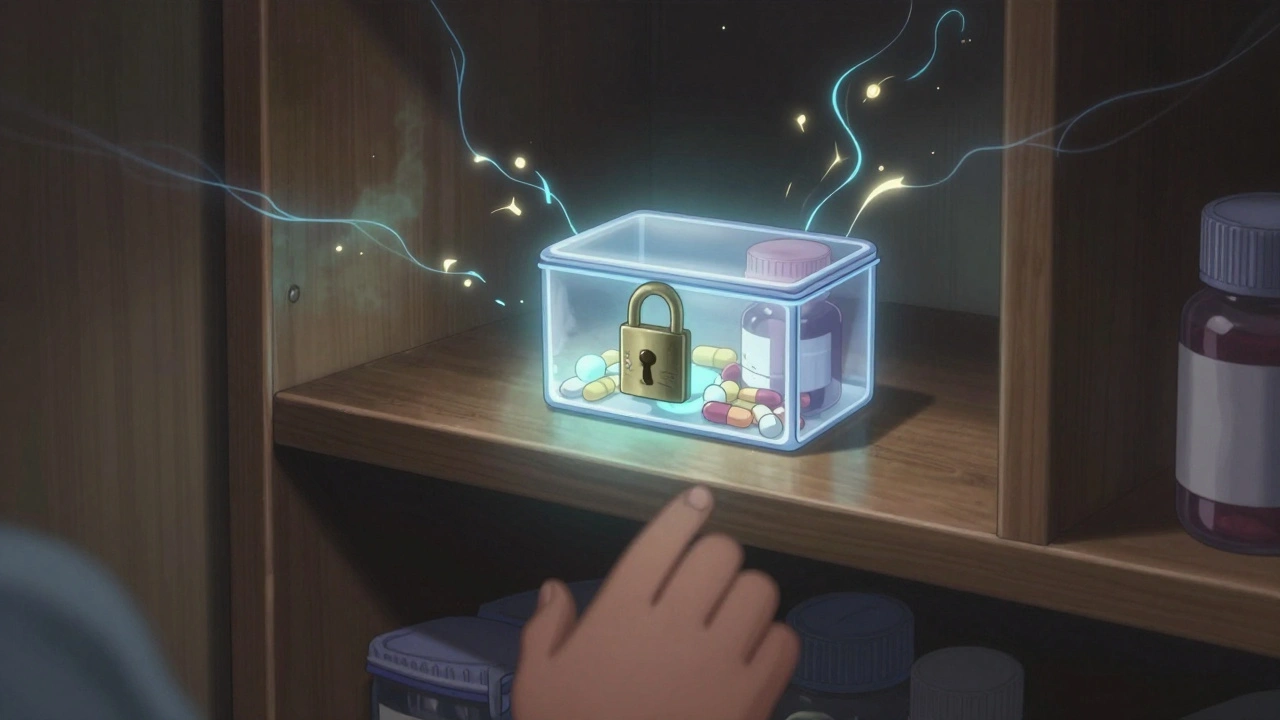

Every year, thousands of accidental overdoses happen not in hospitals or on streets, but in living rooms, kitchens, and bedrooms - right where people keep their medicine. A child finds a pill bottle on a nightstand. A teenager grabs a few tablets from a drawer. An elderly parent struggles to open a child-proof cap and leaves the bottle out. These aren’t rare accidents. They’re predictable outcomes of poor storage. The good news? You can stop them.
Why Storage Matters More Than You Think
Most people think overdose risk comes from taking too much. But here’s the truth: a lot of overdoses start with someone else taking the medicine - not the patient. The CDC reports that 53% of people who misuse prescription opioids get them from friends or family. That’s not street dealers. That’s your cousin, your neighbor, your own kid. And it’s often because the pills were just sitting out. In 2020, over 16,000 overdose deaths in the U.S. were linked to prescription opioids. Many of those could’ve been prevented with one simple step: locking them up. The American Association of Poison Control Centers says kids under six make over 60,000 emergency visits each year from accidental medicine ingestion. Most of those cases? Medicine within reach. It’s not just about kids. It’s about stress, curiosity, mental health crises, and poor habits. If you’re storing high-risk meds - opioids, benzodiazepines, sleep aids, or even strong painkillers - you’re not just protecting yourself. You’re protecting everyone in your home.What Counts as a High-Risk Medication?
Not all prescriptions need the same level of security. But these are the ones you should treat like valuables:- Opioids: Oxycodone, hydrocodone, morphine, fentanyl patches
- Benzodiazepines: Alprazolam (Xanax), diazepam (Valium), clonazepam (Klonopin)
- Sleep medications: Zolpidem (Ambien), eszopiclone (Lunesta)
- Stimulants: Adderall, methylphenidate (Ritalin)
- Any medication with a black box warning or labeled as a controlled substance
The Four Rules of Safe Storage
There’s no magic trick. Just four rules that work - if you follow them.- Keep it in the original container. The label has the name, dose, and instructions. If you transfer pills to a pill organizer, a candy jar, or a Ziploc bag, you lose that critical info. The FDA says transferring meds increases accidental ingestion risk by 40%. Plus, if someone finds it, they won’t know what it is or how dangerous it is.
- Lock it up. Not just “put it on a high shelf.” A locked box or cabinet. The CDC says locked storage reduces accidental pediatric ingestions by 87%. Basic lockboxes cost $15-$50. Biometric ones go up to $150. Even a small, inexpensive lockbox from Walmart or CVS works. Just make sure it has a key or code - and you’re the only one who has it.
- Store it high and out of sight. Kids can climb. Toddlers can pull down drawers. The CDC recommends storing meds at least 4 feet off the ground. That’s above the reach of most children. Nightstands? Kitchen counters? Medicine cabinets above the sink? Those are all risky. A locked cabinet in a bedroom closet, behind a door, or on a top shelf in a utility room is better.
- Don’t leave it out during use. You take your pill. You put the bottle down. Big mistake. Even five minutes is long enough for a child to grab it. After each dose, put it back in the lockbox immediately. If you struggle with child-resistant caps, get a lockbox with an easy-access code (like the Med-ic Safe) that lets you open it without fumbling.
What About Accessibility? I Can’t Open Child-Proof Caps
This is real. A lot of people - especially older adults with arthritis - can’t open those caps. They get frustrated. They leave the bottle open. Or they cut the cap off. That’s dangerous. There’s a solution: lockboxes with emergency access codes. The Med-ic Safe Locking Pill Organizer, for example, opens with a 4-digit code. You set it once. You can even program it to unlock at specific times if you need help from a caregiver. It’s $35. It fits 30 pills. It’s TSA-approved. It’s designed for people who need access but don’t want to risk their meds being found. You can also ask your pharmacist for a non-child-resistant bottle - but only if you have a locked storage solution in place. Many pharmacies will provide one if you sign a waiver. It’s legal. It’s safe - if you lock the meds right after.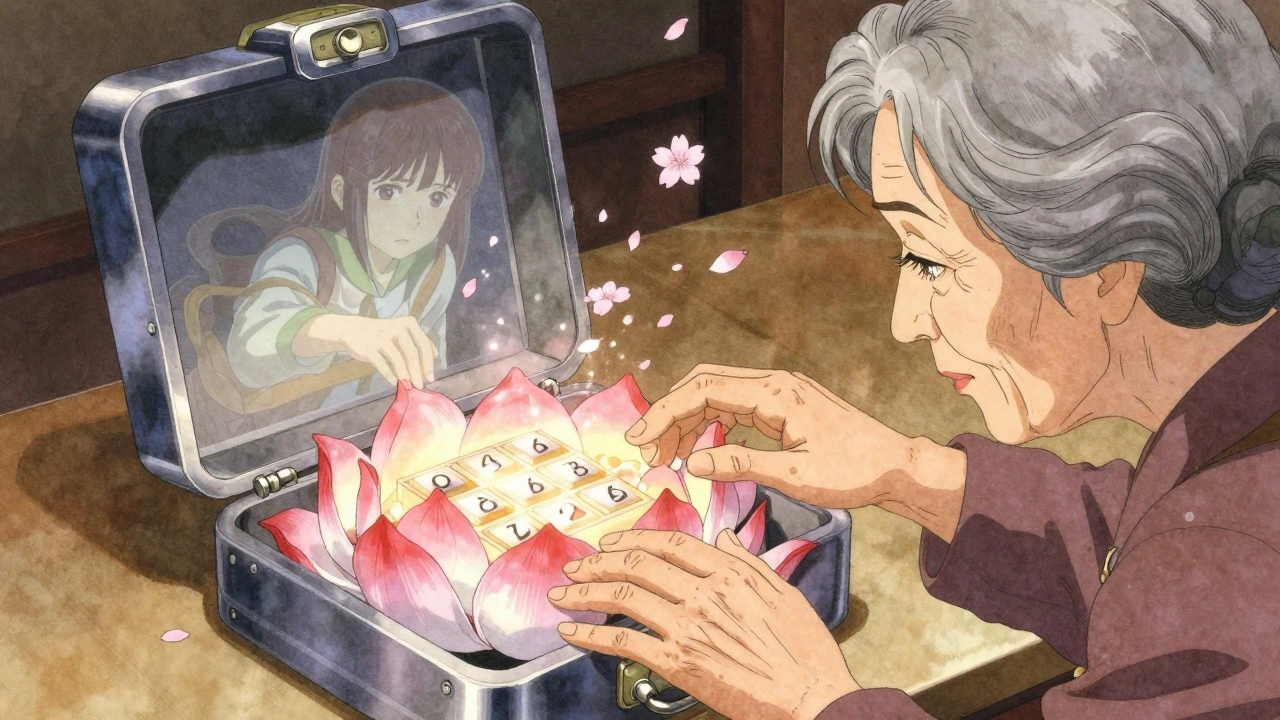
What About Electronic Monitors? Are They Worth It?
Devices like Hero Health or MedMinder track when you take your pills. They send alerts if you miss a dose. Some even lock the meds until the right time. Sounds great, right? They are. But they’re expensive - $99 to $149. And they’re complicated. Only 3% of people using high-risk meds use them, according to Duke University’s 2022 study. For most households, they’re overkill. Stick with a simple lockbox unless you have memory issues, live alone, or need remote monitoring for a loved one. If you do go digital, make sure it’s FDA-cleared and has a backup power source. Don’t rely on Wi-Fi if your internet goes out.What If I Have Visitors or Family Members Who Might Take My Meds?
This is the hardest part. You might be thinking: “My brother’s in pain. He’s been asking for my pain pills.” Or “My daughter’s stressed. She said she’d take one to sleep.” That’s not just risky. It’s illegal. And it’s deadly. If someone asks for your meds, say no - gently but firmly. Offer to help them talk to a doctor. Keep your meds locked. Even if you trust them. Even if they’re family. A 2022 study found that 1 in 4 teens who misuse opioids got them from a family member’s medicine cabinet. If you’re worried about someone else’s behavior - if they’ve been acting strange, asking for money, or disappearing - talk to a doctor or call the Poison Help hotline (1-800-222-1222). They can guide you on how to handle it safely.What About Disposal? Don’t Just Throw Them Away
Unused meds are a hazard too. Flushing them? Bad idea. Tossing them in the trash? Still risky. Kids or pets can dig them out. Use a drug take-back program. The DEA runs National Prescription Drug Take Back Day twice a year - April and October. There are over 14,600 permanent drop-off locations across the U.S., including pharmacies, hospitals, and police stations. Find one near you. If no take-back is available, mix pills with coffee grounds or cat litter, put them in a sealed container, and throw them in the trash. Remove labels or scratch them out. Never leave empty bottles lying around.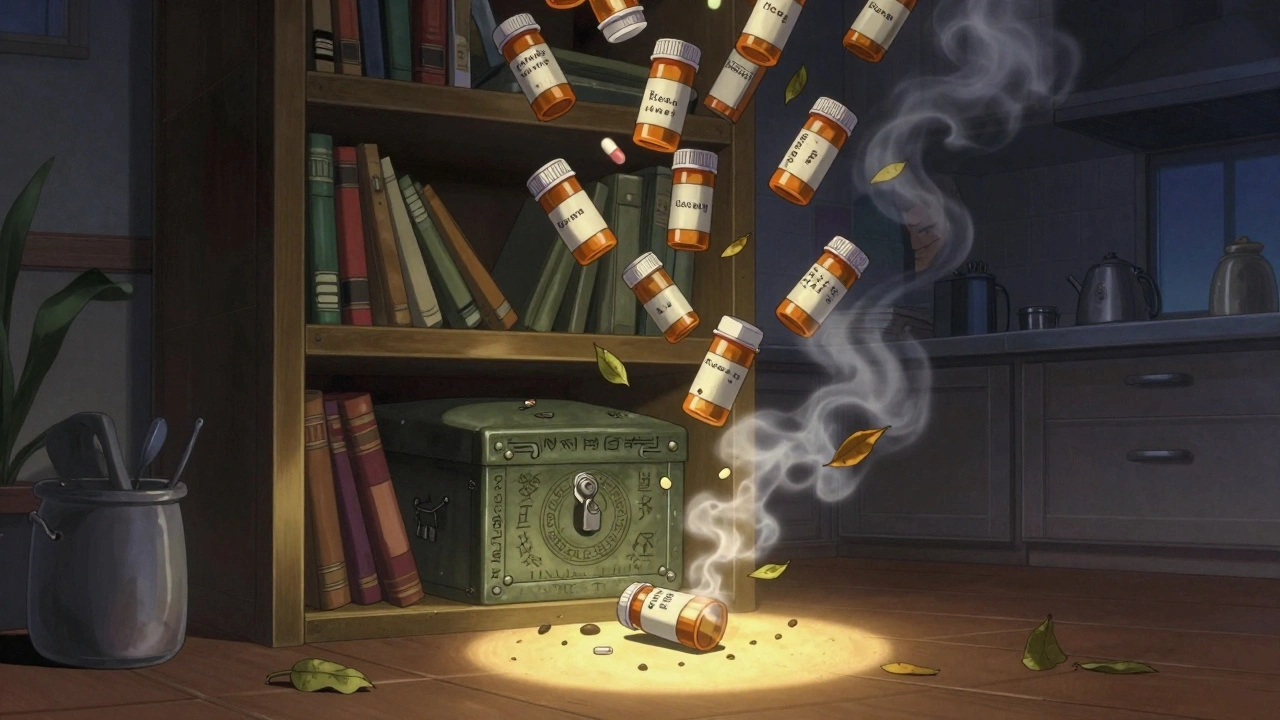
Real Stories, Real Consequences
One Reddit user, u/PainPatient2021, wrote: “My doctor never told me to lock up my oxycodone. My 16-year-old found them in my nightstand and overdosed - thank God Narcan worked.” Another, u/SecureMom, shared: “The Walgreens lockbox saved my toddler from accessing grandma’s fentanyl patches - she pulled three drawers down trying to get it.” These aren’t outliers. They’re common. And they’re preventable.How Long Does This Take? Is It Worth the Effort?
It takes 45 minutes the first time. You inventory your meds, transfer them to original bottles, buy a lockbox, find a spot, and set it up. Then, 2-5 minutes a day to put the bottle back after each dose. The cost? $15-$50 for a lockbox. Maybe $35 for a code-access model. That’s less than one doctor’s visit. Less than a month’s coffee habit. The benefit? You could save a life. Your child’s. Your grandparent’s. Your neighbor’s kid who came over to play. Someone you love. The CDC says secure storage is one of the highest-yield, lowest-cost ways to prevent overdose. The math is clear: for every dollar spent on lockboxes, you save $17 in emergency care and lost productivity.Final Checklist: Are You Doing Enough?
Ask yourself these five questions:- Are all high-risk meds still in their original bottles with labels?
- Are they stored in a locked box or cabinet - not just on a shelf?
- Is the lockbox at least 4 feet off the ground?
- Do I put the bottle back in the lockbox immediately after taking a dose?
- Do I know where the nearest drug take-back location is?
Overdose isn’t just a statistic. It’s a parent who lost a child. A teenager who didn’t wake up. A family that never got to say goodbye. You can’t control everything. But you can control where you store your medicine. Make that choice count.
Can I store high-risk medications in the bathroom cabinet?
No. Bathrooms are too humid and warm, which can degrade medication. Plus, they’re easily accessible to children and guests. Store meds in a dry, cool place like a bedroom closet or kitchen cabinet that can be locked. Ideal temperature is 68-77°F (20-25°C).
What if I live in a small apartment and have no place to lock things up?
Even in small spaces, you can use a lockbox. Place it inside a closed drawer, behind a bookshelf, or under your bed. Some lockboxes are as small as a paperback book. The key isn’t space - it’s security. If you can’t lock it, ask your pharmacist for a non-child-resistant bottle and keep it with you at all times.
Are there free lockboxes available?
Yes. Some pharmacies, hospitals, and community health programs offer free lockboxes to patients on high-risk medications. CVS Health partnered with MedMinder to give away 150,000 lockboxes in 2021. Call your local pharmacy or health department to ask. Nonprofits like the National Alliance for Safe Opioid Storage also provide them to low-income families.
What should I do if someone I know is taking my medication without permission?
Contact your doctor immediately. They can help you adjust your prescription, refer you to counseling, or connect you with support services. If you believe someone is in danger or actively misusing your meds, call the Poison Help hotline at 1-800-222-1222. They can guide you on next steps - including when to involve law enforcement.
Do I need to lock up vitamins and over-the-counter meds too?
Not necessarily. But if your OTC meds contain dextromethorphan (like some cough syrups), acetaminophen in high doses, or sleep aids like diphenhydramine, treat them like prescription meds. These can be dangerous in large amounts. Keep them out of reach of children, even if they’re not legally controlled.
How often should I check my lockbox and pill count?
Check your pill count daily - just 2-5 minutes. Write down the number each morning. If you’re missing pills, don’t panic. Contact your doctor or pharmacist right away. They can help you determine if it’s a mistake or a sign of misuse. Keeping a log helps you catch problems early.
James Kerr
December 3, 2025 AT 17:43Love this guide. Seriously, I never thought about how easy it is for kids to grab meds until my niece found my dad’s Xanax bottle. Locked mine up the next day. Best $20 I ever spent. 🙌
Rashmin Patel
December 4, 2025 AT 01:11As someone who’s seen three family members nearly die from accidental ingestion, this is gospel. I used to keep my fentanyl patches on my nightstand because I thought the child-proof cap was enough. Spoiler: it wasn’t. My 5-year-old nephew opened it in 12 seconds. Now I use a Med-ic Safe with a code. No more panic attacks when guests come over. Also, if you’re in India, check out the Pharmeasy free lockbox program - they gave me one last year. Seriously, this isn’t paranoia. It’s parenting. It’s responsibility. It’s love.
sagar bhute
December 5, 2025 AT 10:05This is ridiculous. People are just being lazy. If you can’t keep your pills locked up, maybe you shouldn’t be taking them in the first place. Why should the whole family suffer because you can’t manage your own meds? It’s not rocket science. Stop pretending this is a national crisis.
Cindy Lopez
December 5, 2025 AT 23:27There’s a missing period after "40%" in the FDA statistic. Also, "biometric ones go up to $150" - should be "biometric models," not "ones." Minor, but it undermines credibility. And "lockbox" is not a verb. "Put it back in the lockbox" is correct. "Lockbox it" is not. Just saying.
vinoth kumar
December 6, 2025 AT 12:09My mom’s got arthritis and couldn’t open her painkiller bottles. She’d just leave them out. We got her a code lockbox from CVS - $30, game-changer. Now she opens it with her thumbprint on the app. She says it feels like having a personal pharmacist. Also, we use the DEA take-back day every April. No more old pills collecting dust. Just good vibes now.
Gene Linetsky
December 7, 2025 AT 04:43Wait - so you’re telling me the government isn’t using this to track who has opioids? That’s not what the CDC wants. They’re pushing lockboxes so they can link every pill to your ID. Next thing you know, they’ll require biometric scans just to get a prescription. And don’t get me started on the MedMinder data mining. They’re selling your health data to insurers. This isn’t safety. It’s control.
Ignacio Pacheco
December 8, 2025 AT 14:46So… you’re saying if I lock my Adderall up, my roommate won’t steal it? Because last time I left it on my desk, it vanished. And no, I didn’t just misplace it. I checked the laundry. Twice. I’m not even mad. Just impressed. Kid had guts. But yeah, lockbox it is. Thanks for the reminder.
Jim Schultz
December 10, 2025 AT 14:10Wow. Just… wow. You’re telling me that people don’t already know this? That this is even a topic? You’ve got to be kidding me. The CDC says 53%? I say 80%. And you’re recommending a $35 lockbox? What about the people who live in apartments with no closets? Or in shared housing? Or in countries where lockboxes are illegal? You’re not solving the problem - you’re just making rich people feel safe while the rest of us are left to guess whether our kids will wake up tomorrow.
Kidar Saleh
December 10, 2025 AT 14:55In the UK, we’ve had community pharmacy take-back schemes since 2008. It’s simple. You drop off old meds, they’re incinerated safely. No fuss. No lockboxes needed. But here’s the real issue - we don’t over-prescribe in the first place. In America, it feels like every ache gets a fentanyl patch. Maybe the solution isn’t storage - it’s restraint. Less prescribing. More trust. More care. Less fear.
Vincent Soldja
December 11, 2025 AT 05:41Lockboxes work. Done.
shalini vaishnav
December 12, 2025 AT 19:51Why are Americans so obsessed with locking everything? In India, we trust our families. We teach our children respect. We don’t turn homes into vaults because someone might be curious. This is cultural weakness. You lock your pills because you don’t trust your own children. That’s not safety. That’s failure. And now you want to sell $150 biometric boxes? Capitalism at its finest. We don’t need your solutions. We need your humility.