

OTC Medication Safety Checker
Check for Hidden Dangers
Enter medications/supplements you're taking. The checker identifies dangerous ingredients mentioned in FDA reports and potential interactions.
Potential Risks
Important Safety Tips
Always check the FDA Health Fraud Product Database for contaminated products.
Look for third-party verification seals from USP, NSF International, or ConsumerLab.com.
Avoid products with 'proprietary blend' or 'all-natural' claims for sexual enhancement or weight loss.
Report adverse events to FDA MedWatch at fda.gov/medwatch
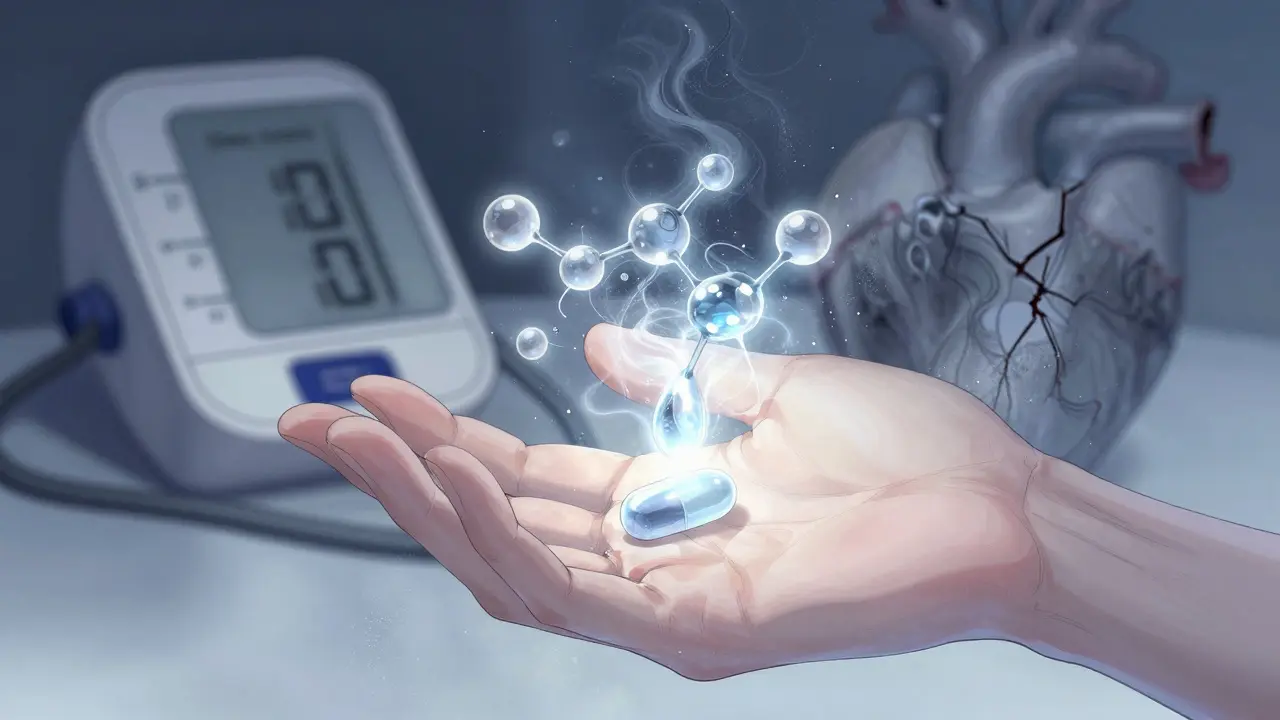
Every day, millions of Americans take Over-the-Counter Medications including common pain relievers, cold medicines, and dietary supplements without realizing some contain hidden pharmaceutical ingredients. A 2021 case involved a man whose blood pressure spiked to 180/110 after taking a 'natural' weight loss pill. Lab tests revealed sibutramine-a banned heart drug. This isn't an isolated incident. OTC medication safety is a critical issue many don't consider until it's too late.
Why Hidden Ingredients Are Common in OTC Products
The Dietary Supplement Health and Education Act of 1994 (DSHEA) created a regulatory gap. Under this law, supplement manufacturers-not the FDA-are responsible for proving safety before selling. This means products can hit store shelves without rigorous testing. As a result, the FDA Health Fraud Product Database has listed 1,068 contaminated supplements between 2007 and 2021. A 2022 study found 54% of these were marketed for sexual dysfunction and 35% for weight loss. The industry generates $44.4 billion in the U.S. alone, but only 17 FDA staff members work full-time on supplement oversight. This lack of oversight lets dangerous ingredients slip through.
Dangerous Compounds You Might Not Know About
Sibutramine, a banned appetite suppressant, continues to appear in weight loss supplements. The FDA Health Fraud Product Database identified 397 sibutramine-containing products between 2009 and 2021. It increases heart attack and stroke risk by 16% based on the 2010 SCOUT trial. Phenolphthalein, a laxative ingredient deemed unsafe in 1999, was found in 124 weight loss products. Sexual enhancement supplements often contain sildenafil (Viagra) or tadalafil (Cialis). A 2019 NIH study found 289 products with these ingredients, and 20.2% contained multiple drug compounds-some with up to six different active ingredients.
Real-Life Consequences: More Than Just Side Effects
The FDA documented over 30 severe adverse events linked to sexual enhancement products containing 'Artri' or 'Ortiga' in their names. Cases included hospitalizations for prolonged erections (priapism), gastrointestinal bleeding, and acute liver failure. The 'Benadryl challenge' on social media in 2020-2021 caused three deaths and numerous hospitalizations from diphenhydramine overdoses. NSAIDs like ibuprofen cause 100,000 hospitalizations and 16,500 deaths yearly in the U.S. due to stomach ulcers and kidney failure. One Reddit user reported taking a 'natural' weight loss pill that spiked their blood pressure to 180/110-later confirmed to contain sibutramine.
How to Check Your Medications for Hidden Dangers
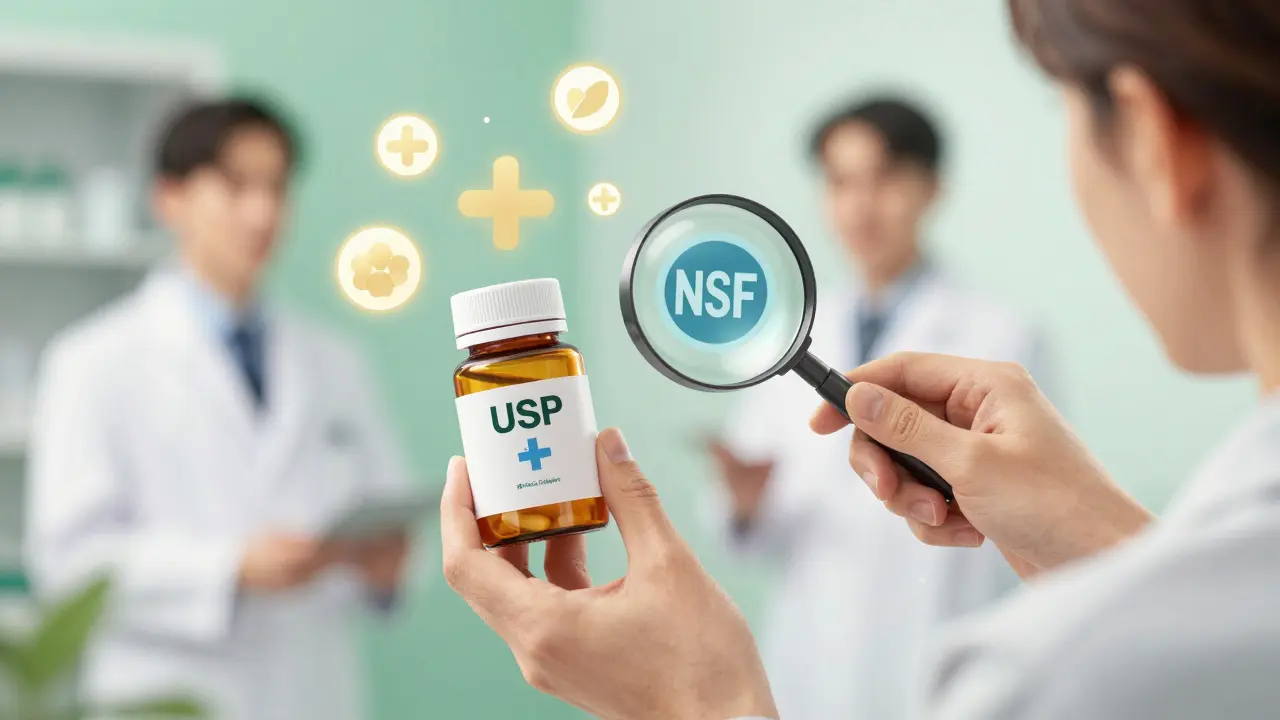
Before buying any supplement, search the FDA Health Fraud Product Database. The FDA warns that 'not being on the list doesn't mean it's safe,' but it's a critical first step. Look for third-party verification seals from USP verification, NSF International, or ConsumerLab.com. These organizations test for label accuracy and contaminants. Pharmacists recommend the '5-5-5 rule': spend five minutes researching online, five minutes checking the FDA database, and five minutes discussing with a pharmacist. This simple habit catches many hidden dangers.
Red Flags That Signal Unsafe Products
Avoid any 'all-natural' sexual enhancement products. An International Journal of Impotence Research analysis found 87% contain hidden PDE5 inhibitors like sildenafil. Weight loss supplements promising 'miraculous' results have a 73% chance of containing undisclosed pharmaceuticals, per a 2022 study. Products with vague ingredient lists like 'proprietary blend' or 'herbal extracts' without specific amounts often hide dangerous additives. If a product claims to work 'faster than prescription drugs' or 'without side effects,' it's almost certainly contaminated.
Practical Steps to Protect Yourself
Always share your full medication list with doctors and pharmacists-including all supplements. A 2021 JAMA study found 63% of adverse drug events involving supplements resulted from undisclosed use during medical consultations. Keep a written list of everything you take, including dosage and frequency. If you experience unexplained symptoms like rapid heartbeat, severe stomach pain, or sudden dizziness after taking an OTC product, stop using it immediately and contact a healthcare provider. Report adverse events to the FDA through their MedWatch system. These steps turn you from a passive consumer into an active protector of your health.
What is the FDA Health Fraud Product Database?
The FDA Health Fraud Product Database lists supplements and OTC products that contain hidden pharmaceutical ingredients or unapproved drugs. It includes over 1,000 products identified since 2007. You can search it online to check if a product has been flagged for contamination. However, the FDA cautions that not being on the list doesn't guarantee safety-many contaminated products haven't been tested yet.
How can I tell if a supplement is safe?
Look for third-party verification seals from USP, NSF International, or ConsumerLab.com. These organizations test for accurate labeling and contaminants. Check the FDA Health Fraud Product Database for warnings. Avoid products with 'all-natural' claims for sexual enhancement or weight loss, as 87% and 73% of these contain hidden drugs respectively. Always read ingredient lists carefully-vague terms like 'proprietary blend' often hide dangerous additives.
What should I do if I think I've taken a contaminated product?
Stop using the product immediately. Contact your doctor or pharmacist to discuss symptoms and potential interactions. Report the incident to the FDA through their MedWatch system. If you experience severe symptoms like chest pain, difficulty breathing, or prolonged erection, seek emergency medical help. Document the product name, batch number, and where you bought it-this helps the FDA track contamination patterns.
Can common OTC pain relievers like ibuprofen be dangerous?
Yes. NSAIDs like ibuprofen and naproxen cause 100,000 hospitalizations and 16,500 deaths annually in the U.S. due to stomach ulcers, kidney failure, and heart risks. These dangers increase when combined with other medications or hidden ingredients in supplements. Always follow dosage instructions and avoid taking multiple NSAID-containing products at once. If you have kidney disease, heart problems, or take blood thinners, consult a doctor before using NSAIDs.
Why don't supplement manufacturers have to prove safety before selling?
The Dietary Supplement Health and Education Act of 1994 (DSHEA) places the responsibility on manufacturers to ensure safety before marketing. However, the FDA lacks authority to review supplements for safety before they're sold. This means products can enter the market without testing, and the FDA only acts after problems arise. As a result, contaminated products often stay on shelves for months or years before being recalled-creating significant risks for consumers.
Dr. Sara Harowitz
February 6, 2026 AT 10:32OTC medications are a ticking time bomb! The FDA is completely asleep at the wheel! How many more people have to die before they act? Sibutramine in weight loss pills-this is criminal negligence! People need to stop trusting 'natural' labels-there's nothing natural about hidden drugs! The regulatory gap created by DSHEA is a joke! Congress needs to shut this down immediately! It's all about money, not safety! Wake up, America! Every single day, consumers are being poisoned by unregulated supplements. The FDA's inadequate staffing means dangerous products stay on shelves for years. The 2021 case with the man whose blood pressure spiked to 180/110-this could have been prevented with proper oversight. The FDA Health Fraud Product Database has over 1,000 contaminated products listed, but how many more are unreported? This is a public health crisis that demands immediate action. We need stricter regulations, more funding for the FDA, and better education for consumers. The current system is broken, and it's time for real change. Don't let big pharma and supplement companies get away with this. Protect yourself-check labels, research products, and report suspicious items. The safety of millions is at stake. It's time to hold the FDA accountable and demand action now!
Lisa Scott
February 7, 2026 AT 18:56FDA corrupt.
Katharine Meiler
February 9, 2026 AT 18:47The regulatory framework under DSHEA lacks sufficient oversight mechanisms, leading to significant public health risks. Clinical evidence suggests that unregulated compounds contribute to adverse events such as hepatotoxicity and cardiovascular complications. It is imperative to implement mandatory pre-market safety assessments for all dietary supplements.
Rene Krikhaar
February 9, 2026 AT 18:48Don't forget to check the FDA database before taking anything
Many people don't realize supplements can have hidden drugs
Always ask your pharmacist
It's simple but saves lives
Albert Lua
February 10, 2026 AT 08:18Hey everyone, let's stay safe! Always check labels and talk to your pharmacist. It's so important to be informed, especially with all these hidden ingredients. We need to spread awareness-this is a real issue affecting so many people. Let's support each other in making safe choices!
Jennifer Aronson
February 12, 2026 AT 01:59The data presented in this post is concerning. The FDA's limited resources for supplement oversight are a clear indication of systemic issues. Consumers should remain vigilant and utilize available resources like the Health Fraud Product Database.
Johanna Pan
February 14, 2026 AT 00:07Realize how important it is to check your meds! Many peple dont know about the hidden drugs in supplements. Always look for USP or NSF seals. Its better to be safe than sorry!
Kate Gile
February 15, 2026 AT 03:56Great discussion! Let's all take action to protect ourselves and others. Check your labels, talk to your pharmacist, and report any issues to the FDA. Knowledge is power-stay informed and stay safe!
Elliot Alejo
February 16, 2026 AT 22:49The evidence clearly shows the need for stricter regulations. Consumers must be proactive in verifying supplement safety. The FDA's current approach is insufficient-reform is necessary to prevent further harm.
Brendan Ferguson
February 18, 2026 AT 02:59It's important to balance awareness with practical steps. While the risks are real, there are ways to mitigate them through education and vigilance. Let's work together to hold regulators accountable while also taking personal responsibility.