


Cumulative Drug Toxicity Calculator
Note: This calculator estimates potential accumulation based on half-life. Actual toxicity depends on individual factors like age, liver/kidney function, and other medications. Always consult your healthcare provider.
Most people think of side effects as something that happens right after you take a pill. Maybe you get a headache, feel nauseous, or get a rash. But what if the problem doesn’t show up until months-or even years-later? That’s cumulative drug toxicity. It’s not a sudden reaction. It’s a slow burn. Your body keeps taking in the same medication day after day, and over time, it starts to pile up. Like water filling a bathtub with the drain half-closed, the drug builds up until it crosses a line and starts damaging your organs.
Why Some Drugs Stick Around Longer Than Others
Not all drugs behave the same way in your body. Some are cleared out quickly-within hours. Others? They hang around. Drugs with a half-life longer than 24 hours are the biggest culprits. Half-life means how long it takes for your body to get rid of half the dose. If a drug takes two days to cut its concentration in half, it’s going to build up fast if you take it daily. Fat-soluble drugs are especially tricky. Vitamins A, D, E, and K aren’t just nutrients-they can become toxins if they accumulate. So can heavy metals like lead or mercury. These substances don’t dissolve in water, so your kidneys can’t flush them out easily. Instead, they stash themselves in fat tissue or bones, where they can sit for months or even years. A single dose might seem harmless. But after 18 months of daily use? That’s when the damage starts showing up. Take amiodarone, a heart rhythm drug. It’s known for its long half-life-up to 58 days. Patients often take it for years. At first, everything looks fine. Blood tests show normal levels. But after the cumulative dose hits 600 grams, some people develop irreversible lung scarring. That’s not a mistake. That’s physics. The drug was always there, slowly building up, and the body just couldn’t keep up.Who’s Most at Risk?
It’s not just about the drug. It’s about your body’s ability to handle it. Older adults are at higher risk because their liver and kidneys don’t work as efficiently. Studies show that kidney or liver function can drop by 30-50% in people over 65. That means drugs stick around longer, increasing the chance of toxicity. People with chronic conditions are also vulnerable. If you’re on multiple medications for diabetes, high blood pressure, or arthritis, the risk multiplies. Some drugs interfere with how others are broken down. One pill might slow the clearance of another, turning a safe dose into a dangerous one. And then there’s the silent factor: lifestyle. Environmental toxins-pollution, pesticides, even some food additives-add to the burden. In Ayurvedic medicine, this is called Dushi Visha, or chronic poison. Modern science calls it cumulative toxic load. Either way, your body is juggling more than just your prescriptions. Every extra toxin makes it harder to process the meds you need.The Hidden Pattern: How Toxicity Builds Over Cycles
In cancer treatment, this isn’t theoretical. It’s measured. A 2019 study in the Journal of the National Cancer Institute tracked patients on targeted cancer drugs. In the first treatment cycle, only about 25% had severe side effects. By the sixth cycle? That number jumped to over 50%. The drugs weren’t getting stronger. The body was just full of them. This pattern repeats across other conditions too. Digoxin, used for heart failure, has a narrow safety window. Too little, and it doesn’t work. Too much, and it can cause fatal heart rhythms. The difference between safe and dangerous isn’t always obvious in a single blood test. It’s the total amount over time that matters. That’s why doctors track cumulative dose-not just daily dosage. The same goes for methotrexate, used for rheumatoid arthritis and some cancers. At first, patients feel fine. But after months or years, liver enzymes rise, lungs get inflamed, or blood counts drop. By then, the damage is often advanced. A 2021 study showed that when clinics started tracking cumulative methotrexate doses, hospital admissions for toxicity dropped by 37%.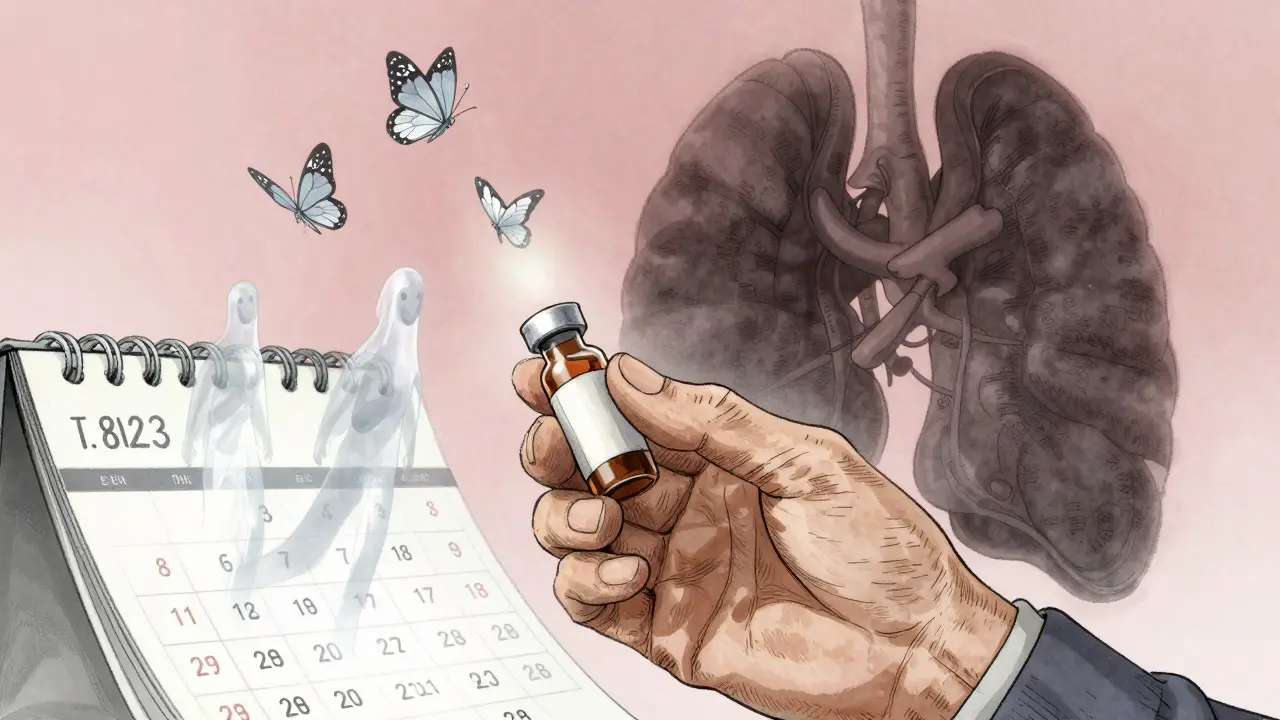
What Doctors Miss-and Why
Here’s the problem: most doctors don’t track cumulative dose. They look at today’s prescription. They check liver enzymes. They ask if you’re feeling okay. But they rarely add up the total amount you’ve taken over the past two years. A Medscape survey of 1,200 physicians found that 67% had seen a patient with serious cumulative toxicity in the past year. And 82% said the biggest reason it happened? Patients didn’t stick to monitoring schedules. They missed blood tests. They skipped follow-ups. They thought, “I’ve been on this for five years-why would it suddenly hurt me?” Even when tests are done, they can be misleading. A blood level of digoxin might look normal, but if the patient has low kidney function, the drug is still accumulating in tissues. Standard tests don’t measure tissue buildup. Only time and total dose reveal the truth. The FDA’s Adverse Event Reporting System recorded over 12,000 cases of cumulative toxicity between 2018 and 2022. Nearly half involved blood thinners like warfarin or apixaban. Another quarter were cardiac drugs. These aren’t rare events. They’re predictable-and preventable.How to Protect Yourself
If you’re on long-term medication, here’s what you can do:- Ask your doctor: “What’s the maximum lifetime dose for this drug?” For example, anthracycline chemotherapy should never exceed 450 mg/m² to avoid heart damage. That number comes from 17 clinical trials with thousands of patients.
- Keep a log: Write down every pill you take, even over-the-counter ones. Note the dose and how long you’ve been on it. Apps can help, but a simple notebook works too.
- Stick to monitoring: If your doctor says you need blood tests every three months, don’t skip them. That’s not just a check-up-it’s a safety net.
- Know the warning signs: Fatigue, unexplained weight loss, shortness of breath, tingling in hands or feet, changes in vision, or unusual bruising could signal buildup. Don’t wait for it to get worse.

What’s Changing in Medicine
The medical world is starting to wake up. The European Medicines Agency now requires cumulative toxicity assessments for any new drug meant for long-term use. Starting in 2024, that’s mandatory. Pharmaceutical companies are adding cumulative dose warnings to labels. In 2022, 78% of new cancer drugs included them-up from 52% in 2017. That’s progress. Some hospitals are using AI to predict risk. At Memorial Sloan Kettering, a model analyzes 27 factors-age, kidney function, genetics, other meds-to forecast how likely a patient is to develop toxicity. In early trials, it’s 82% accurate. Electronic health records are slowly catching up. But only 38% of U.S. systems can automatically track cumulative doses. That means you’re still the most important person in the loop.It’s Not About Stopping Medication-It’s About Managing It
This isn’t a reason to quit your meds. Many of these drugs save lives. Amiodarone keeps hearts beating. Methotrexate stops joint destruction. Warfarin prevents strokes. The goal isn’t fear. It’s awareness. Cumulative toxicity isn’t a glitch. It’s a predictable outcome of how drugs interact with the human body over time. The more you know, the better you can work with your doctor to stay safe. The next time you pick up a prescription, ask: “Could this build up?” If the answer is yes, ask for a plan. Not just for today. For the next year. For the next five.Frequently Asked Questions
What is cumulative drug toxicity?
Cumulative drug toxicity is when a medication slowly builds up in your body over weeks, months, or years because it’s absorbed faster than your body can remove it. This buildup eventually reaches a level that causes harm, even if each individual dose was safe. Unlike sudden side effects, these problems develop gradually and may not show up until long after you started the drug.
Which drugs are most likely to cause cumulative toxicity?
Drugs with long half-lives (over 24 hours) and those stored in fat or bone are the biggest risks. Examples include amiodarone (heart rhythm), digoxin (heart failure), lithium (bipolar disorder), methotrexate (arthritis, cancer), and anthracycline chemotherapy drugs. Fat-soluble vitamins like A and D can also accumulate to toxic levels with long-term high-dose use.
Why don’t blood tests always catch cumulative toxicity?
Blood tests measure drug levels in your bloodstream, but many drugs accumulate in tissues like fat, liver, or bone-not in the blood. So even if your blood test looks normal, the drug could still be building up in your organs. That’s why tracking total lifetime dose matters more than a single blood level.
Can lifestyle factors make cumulative toxicity worse?
Yes. Environmental toxins like heavy metals, pesticides, and air pollutants add to your body’s overall toxic load. If your liver or kidneys are already working hard to clear these, they have less capacity to process your medications. Poor diet, alcohol use, and certain supplements can also interfere with drug metabolism, increasing the risk.
How can I prevent cumulative toxicity?
Keep a record of every medication you take, including doses and start dates. Ask your doctor the maximum lifetime dose for each drug. Stick to scheduled blood tests and follow-ups. Don’t skip them-even if you feel fine. If you’re on multiple medications, ask a pharmacist to review them for interactions. And never assume a drug is safe just because you’ve taken it for years.
Janette Martens
December 29, 2025 AT 06:22Marie-Pierre Gonzalez
December 29, 2025 AT 22:37With profound respect,
Marie-Pierre
Louis Paré
December 30, 2025 AT 05:09Bradly Draper
December 31, 2025 AT 11:21James Hilton
January 1, 2026 AT 03:16Kelsey Youmans
January 1, 2026 AT 04:53Sydney Lee
January 3, 2026 AT 01:10oluwarotimi w alaka
January 4, 2026 AT 01:22Debra Cagwin
January 5, 2026 AT 05:19Hakim Bachiri
January 5, 2026 AT 19:46ANA MARIE VALENZUELA
January 6, 2026 AT 12:07Gran Badshah
January 6, 2026 AT 16:48